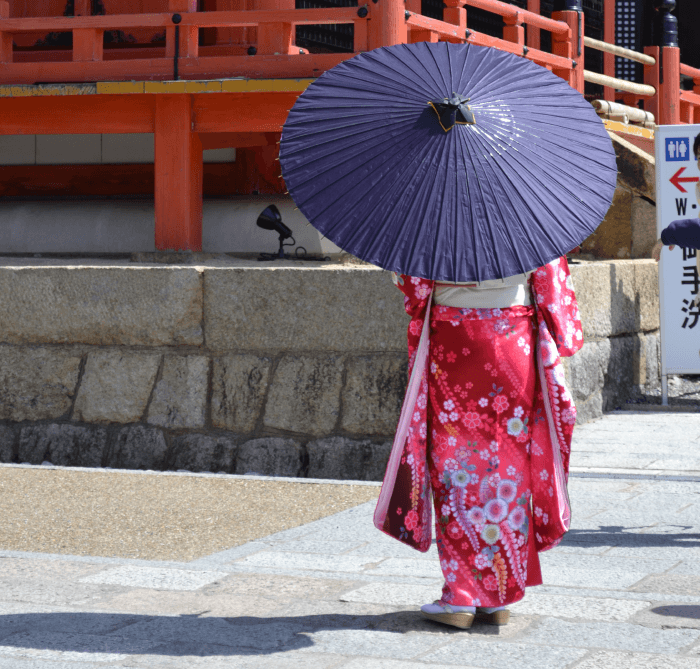
From Kimono, through #KimOhNo, to Skims: A branding nightmare for Kim Kardashian
#KimOhNo became a symbol of the backlash to Kim Kardashian’s attempt to register a trademark for her new line of shape wear, Kimono.


Written by Jan Buza
Co-founder of Trama ·
Trademark registration rules don’t exactly differ between countries, since all trademarks must be distinctive and mustn’t conflict with previously registered marks. However, some jurisdictions are stricter or more lenient than others.
What differs between countries is how trademark criteria are applied in practice, and how the administrative side of each IP office functions. For example, examination timelines vary from around one month (EUIPO) to over a year (USPTO, Canada). Opposition windows also range from 30 days (US) to three months (EU, New Zealand). Another significant difference is whether a jurisdiction is first-to-use or first-to-file. First-to-use jurisdictions (like the US) give priority rights to whoever was using the mark in commerce first. First-to-file jurisdictions (the majority of jurisdictions) give priority rights to the party that first filed their trademark application. Some offices also require foreign applicants to appoint local attorneys, while others allow self-filing regardless of domicile. Cost structures also differ, with varying government fees and per-class pricing models.
Can I use a PO Box as the official address on my trademark application?
How does the timeline of previous approvals affect one's ability to register a trademark?
Can someone steal my trademark away from me while I wait for it to be registered?
Can the intellectual property office dismiss my application?
Can I change countries during the trademark registration process?
What does it mean if a trademark is 'published for oppositions'?

Our team of experienced trademark attorneys is here to help you! Simply send us an email outlining your request and we'll be happy to assist you.