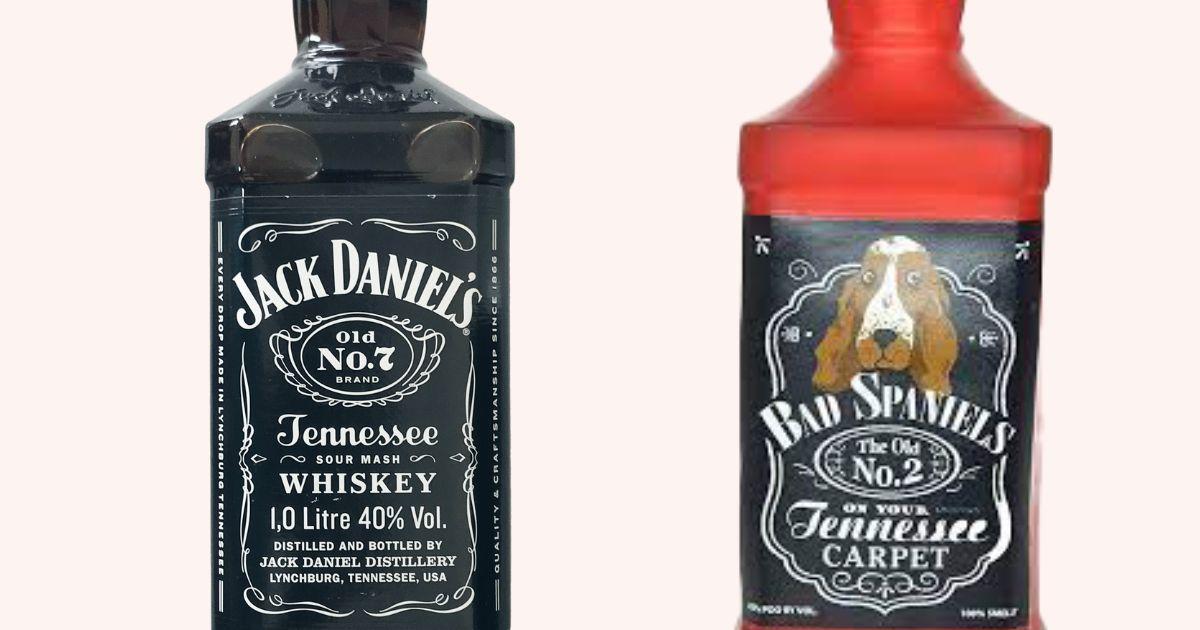
The USPTO evaluates trademark applications based on two main factors: whether it’s descriptive of the goods and services you provide and whether it conflicts with earlier registrations. To ascertain whether your mark is distinctive, examiners place it on the spectrum of distinctiveness, which puts your mark somewhere on a spectrum between generic and completely distinctive.
Generic marks are refused outright, since they cannot function as trademarks. Descriptive marks are also refused unless the applicant can demonstrate their brand has acquired distinctiveness through continued commercial use. Suggestive, arbitrary, and fanciful marks are inherently distinctive and registrable without additional evidence of distinctiveness, but even these can be refused if there are prior, confusingly similar registrations.